
In Henrik Galeen’s adaptation, filtered through the haunted lens of German Expressionism, the vampire was reborn as a figure of plague, shadow, and inevitable doom.
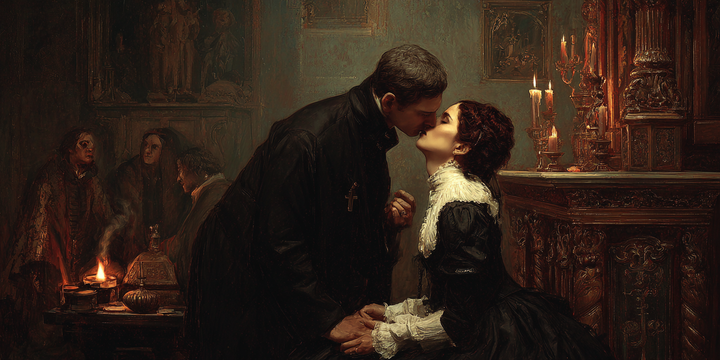
The name Borgia still whispers through the corridors of history, a chilling testament to power, ambition, and alleged depravity within the highest echelons of the Renaissance Church.
Joseph Payne Brennan sustained a devotion to atmospheric horror that drew directly from the older traditions of Poe, M. R. James, and Lovecraft, while also adapting them to the expectations of mid-century readers.
The film’s romance subplot, its staging of female friendship, its use of queer theatrical tropes, and its tokenistic distribution of nonwhite performers all combine to reinscribe, rather than dismantle, the very hierarchies of desirability and exclusion it seeks to critique.