Defining the Digital Threat
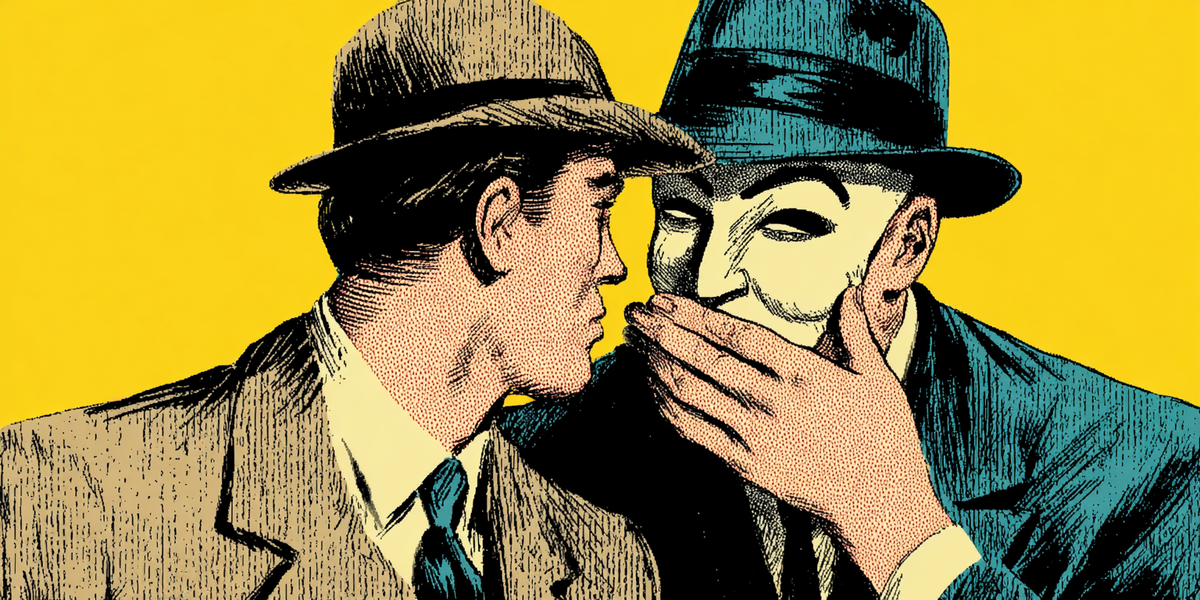
The concept of domestic surveillance and the erosion of constitutional rights is no longer confined to the pages of dystopian fiction; it is the reality of the "cyber industrial complex". This complex is a sophisticated, covert network comprising US intelligence agencies, such as the FBI, NSA, and CIA, local police departments, and private security and technology corporations. Its core function is a profitable alliance where companies make money by collaborating with intelligence agencies to spy on regular people.
This new system is not without precedent. Transparency activists and critics have identified the cyber industrial complex as COINTELPRO 2.0, a modern iteration of the infamous FBI Counterintelligence Program used during the civil rights and anti-war movements of the 1950s through the 1970s. The fundamental objectives remain consistent: the deployment of disinformation and the stirring up of paranoia to ultimately interfere with and neutralize the operations of activists and social justice groups. Essentially, these companies are trying to achieve the same objectives against today's activists that the KGB, CIA, and FBI have pursued throughout their long and sordid history. The complex is sustained by both governmental and private investment. The CIA, for instance, founded In-Q-Tel, a venture capital firm that uses US tax dollars to fund the development of cutting-edge surveillance technology. This technology then finds its way to the local level: over a billion dollars a year has been transferred from the federal government to local police forces since 2005. This money, being federal, allows local police to buy these advanced technologies and, crucially, often circumvents traditional local oversight by city councils or boards of supervisors. This creates a highly effective, financially-enabled, and deeply secretive surveillance architecture operating across the entire country.
Methods and Scope of Surveillance on Activist Movements
The surveillance tactics employed by the cyber industrial complex are designed to be invasive, secretive, and effective in chilling dissent. At the heart of this system is the illicit mass collection of personal data on journalists, activists, and ordinary citizens, information which is funneled directly to federal agencies whenever they desire it.
One of the most potent and controversial technologies deployed is the IMSI catcher, often known by its trade name, Stingray. This device is secretly used by local police departments to collect all nearby cell phone communications without the need for warrants or any public oversight. The deployment of this technology is often bound by restrictive contracts that benefit the private corporations supplying the gear. These tech companies impose Non-Disclosure Agreements (NDAs), which forbid police departments from making public any information about the technology. This has led to the outrageous practice of law enforcement agencies being forced to drop criminal cases—even serious ones involving child exploitation or the mafia—rather than reveal their surveillance methods in open court. In essence, this arrangement means that private corporations are effectively dictating police and prosecutorial policy.
The intelligence gathered at the local level doesn't stay local; it is systematically collected and shared with federal agencies through Fusion Centers. These centers are federal entities operating in every state and are designed to collect as much raw information about citizens as possible. This data includes cell phone activity collected from police using IMSI catchers, purchasing patterns obtained via private security companies, and social media surveillance which reveals who citizens spend time with, where they go, and what they believe in. Fusion Centers are supposed to connect the dots for the federal government. Furthermore, they do not just collect data from government sources but also acquire information from data brokers and other private sources. Once information enters this web of surveillance, citizens can never know how it is going to end up being used.
Beyond general data collection, the complex engages in highly specific targeting tactics against activist leaders and organizations. Private security companies have been exposed for gathering personal data on family members of activists, threatening journalists who report on them, leaking false documents to discredit organizations like WikiLeaks, and using criminal hacking techniques that would lead to the arrest of ordinary citizens. This relationship between public intelligence and private firms is so close that it is deemed by some to be the very framework for fascism. The FBI, for example, will provide documents on groups of people to a private entity like Stratfor. If an average person were to ask the FBI for information on their enemies, they would almost certainly be denied, highlighting the unfair and dangerous exchange of information within the complex.
The Fight for Transparency and the Risks Involved
In the face of the cyber industrial complex, a determined group of activists, hackers, and journalists has committed to fighting back to ensure democracy and digital security. Their primary weapon in this battle for accountability is the Freedom of Information Act (FOIA).
For transparency researchers and technologists, FOIA is considered an essential component of a viable democracy. These individuals use the FOIA process to force intelligence agencies and police departments to publicly reveal their illegal targeting and surveillance of activist groups. FOIA requests have illuminated that the FBI views nearly any genuine threat to the status quo, especially those deemed to be coming from left wing groups, as a direct threat to national security, often wrongly linking these perceived threats to some sort of foreign influence. The use of FOIA has successfully exposed instances of government deception; for example, after years of the FBI denying they had any records on the Occupy movement, documents proving they did were finally obtained. FOIA has also been used to uncover that municipal police departments were secretly using IMSI catchers (Stingrays) to collect cell phone communications without warrants or public oversight.
However, the FBI and other intelligence agencies often view the Freedom of Information Act itself as a threat to national security. This posture results in a situation where the leading federal law enforcement agency is in routine and flagrant violation of federal law. Politicians have also noted that the FBI has been slow to comply with legitimate requests, at times even refusing to provide Congress with the information they have sought, choosing instead to conceal their methods.
Those who dedicate themselves to revealing the secrets of the cyber industrial complex face severe personal and legal risks. Journalist Barrett Brown, who reported extensively on the complex, was sentenced to four years in prison for offenses connected to a hack of the private intelligence company Stratfor and was also ordered to pay nearly $900,000 in damages. Activists have been subject to targeted attempts by the establishment to silence them, such as Brown being taken back into custody for the act of speaking to the media without permission. This is seen as a direct violation of First Amendment rights and clearly underlines the risks of taking on the spy community. The federal government, particularly throughout the Bush and Obama administrations, showed a clear movement to go after journalists and leakers.
Despite the power of the complex, there is an active fight for political and legislative change. The issue of unwarranted surveillance transcends party lines, with both Democrats and Republicans often united on the need to protect personal privacy, which is considered foundational to the nation. Politicians worry that the intelligence community's current behavior will ultimately suppress our First Amendment rights to peacefully gather and protest. They note that intelligence agencies will sometimes choose rather to protect their own methods than to prosecute legitimate suspects. While consequences for government officials are rare, victories are being won at the local level. There are states now pushing for warrant requirement bills on technologies like Stingray, and activists have been successful in forcing surveillance companies like Geofedia to cease operations. The fight continues with the development of secure online platforms, such as Pursuants, designed for activists to collaborate beyond the purview of the surveillance state.
The Erosion of Constitutional Rights
The convergence of government intelligence and private industry has created a constant, pervasive surveillance apparatus. The financial commitment is enormous: in 2017 alone, the US was set to spend $54.9 billion on national intelligence. Living within this "cyber industrial complex," the digital data of journalists, activists, and regular citizens is being actively monitored. This information is then archived by private surveillance firms and made available to federal agencies upon request.
This massive and often illegal data gathering operation is more than a technical concern; it has profound implications for civil liberties. Many observers and activists argue that this complex is the first step toward totalitarianism or, at the very least, represents a severe erosion of our constitutional rights. The message sent by this powerful network is clear: while some might casually say they have "nothing to hide," challenging the system carries a massive risk. One thing is for certain: if you rebel against the system, you can expect the system to come down on you.
ओम् तत् सत्
Member discussion: